THE CYCLE
Two projects, two perspectives on our relationship with images and the digital world
Since 2017, the Institut français and the French cultural network abroad have been organising Novembre Numérique, the international festival of digital cultures, all over the world. At a time when digital technology is profoundly transforming our societies, Novembre Numérique invites us to examine our relationship with technology, creativity and the sovereignty of digital infrastructure. By bringing together creators, cultural organisations, professionals, and local and public partners, the event provides a space for exchange, experimentation and the circulation of ideas.
This year, the Alliance Française de Bruxelles-Europe is presenting a series of events exploring how our relationship with images, narratives and reality is changing in the age of artificial intelligence. How are digital technologies transforming the way we describe the world, share our experiences and build a collective memory? What becomes of images when their authenticity can be called into question, manipulated or artificially generated? These questions are explored from various angles.
01
Ce qui nous rassemble
With Ce qui nous rassemble, Ludovic Nobileau and his company X/tnt present a participatory experience centred around camps set up in several iconic locations across Brussels’ public spaces. The residents of Brussels are invited to share their stories and help bring to life a collective memory of the city. The outcome of this experiential project will be presented in an exhibition (opening on 28 January 2027 at La Fabrique).
02
Biennale de l’Image Possible (BIP 2026)
The Biennale de l’Image Possible (BIP2026), Miroir Miroir, explores the creation of images, the mechanisms of disinformation and the boundaries between reality and fiction. Following the publication of an open call for applications aimed at four young curators from France, Germany and Belgium, four exhibition projects were selected to form ‘Through the Looking Glass’. This event is organised with the support of the Franco-German Cultural Fund – comprising the German and French embassies, the Goethe-Institut Brussels, the Alliance Française de Bruxelles-Europe and the Institut français – in collaboration with the Biennale. A round-table discussion and a guided tour of the exhibition will round off this highlight.

1. DIGITAL BIVOUACS
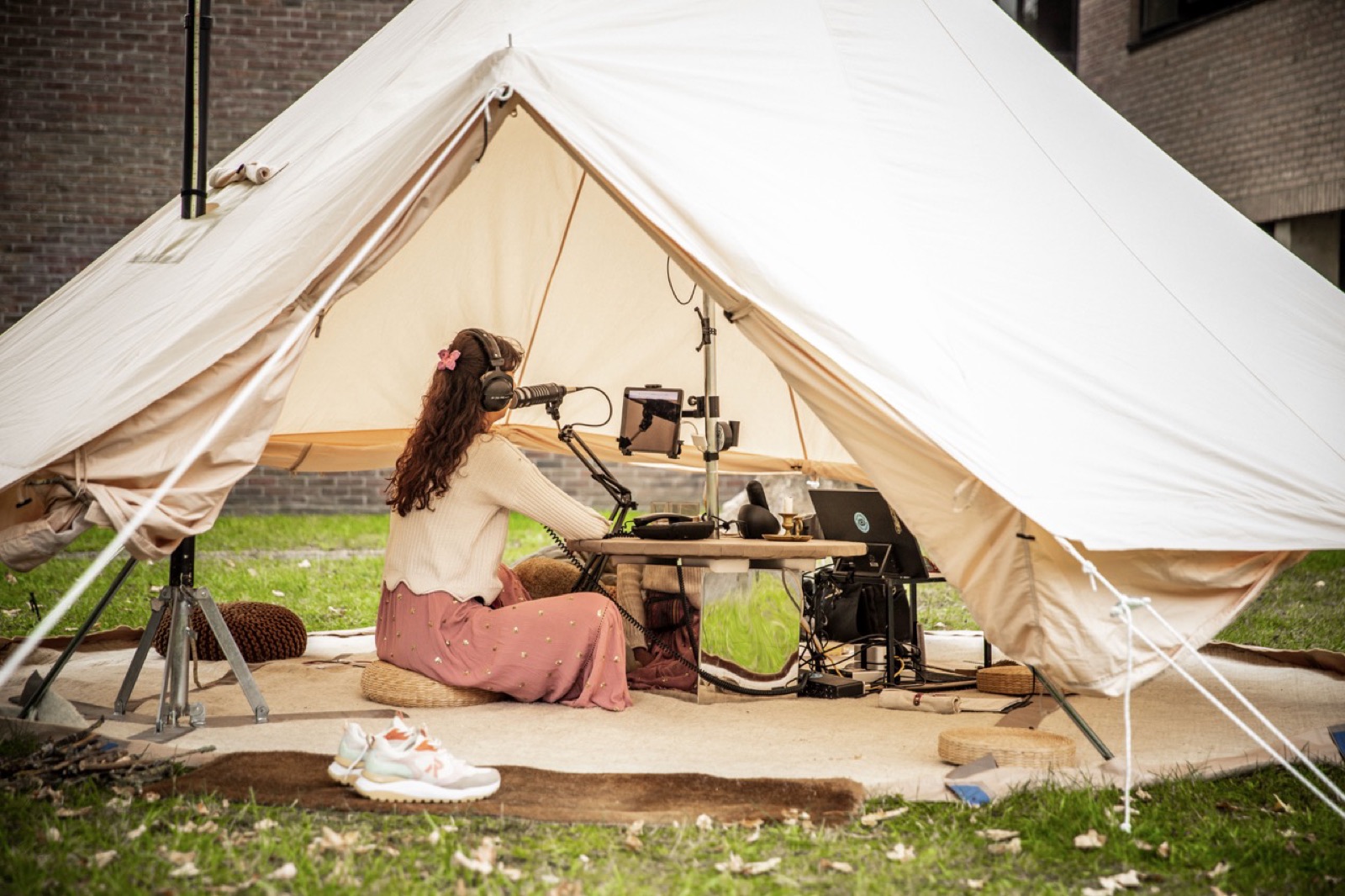
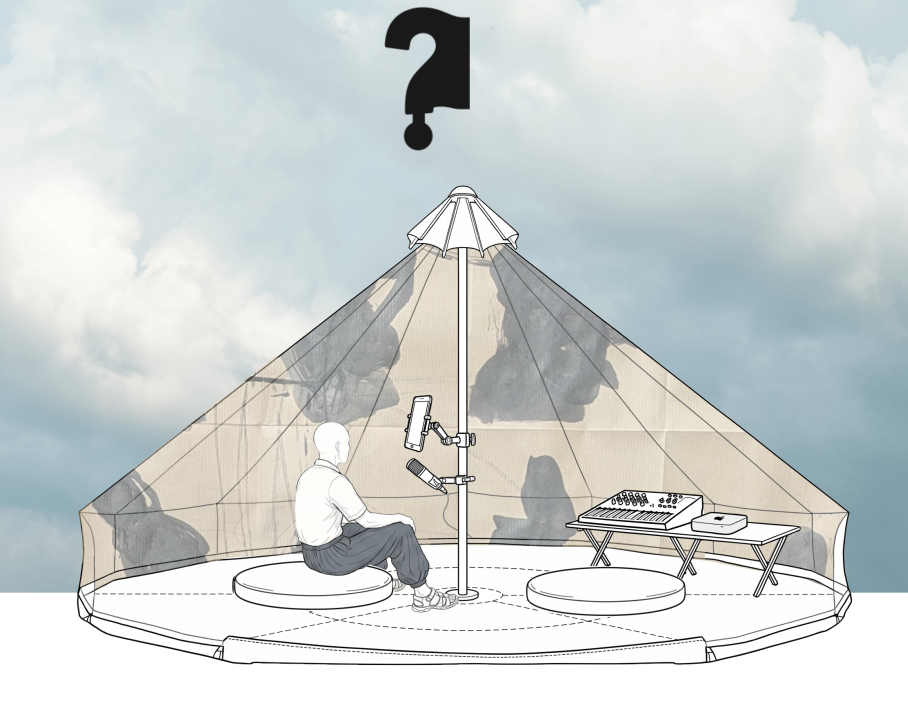
A listening tent set up in the town
From 10 to 22 November 2026, Ludovic Nobileau and the X/tnt company will set up their ‘listening tent’ at five locations across Brussels. Inside, everyone is invited to share a language, a landscape, a memory or a story that is close to their heart. No cameras: here, only the spoken word counts. A numbered card allows participants to retrieve their contribution or to withdraw it. Each participant chooses the uses to which they consent, from recording to broadcast within the exhibition.
As the sessions unfold, these stories come together to form a living atlas of Brussels, made up of unique voices and the things they have in common. This collaborative project will give rise to the exhibition Ce qui nous rassemble, to be held at the Alliance Française de Bruxelles-Europe from 28 January to 24 February 2027.
The dates and locations of the campsites
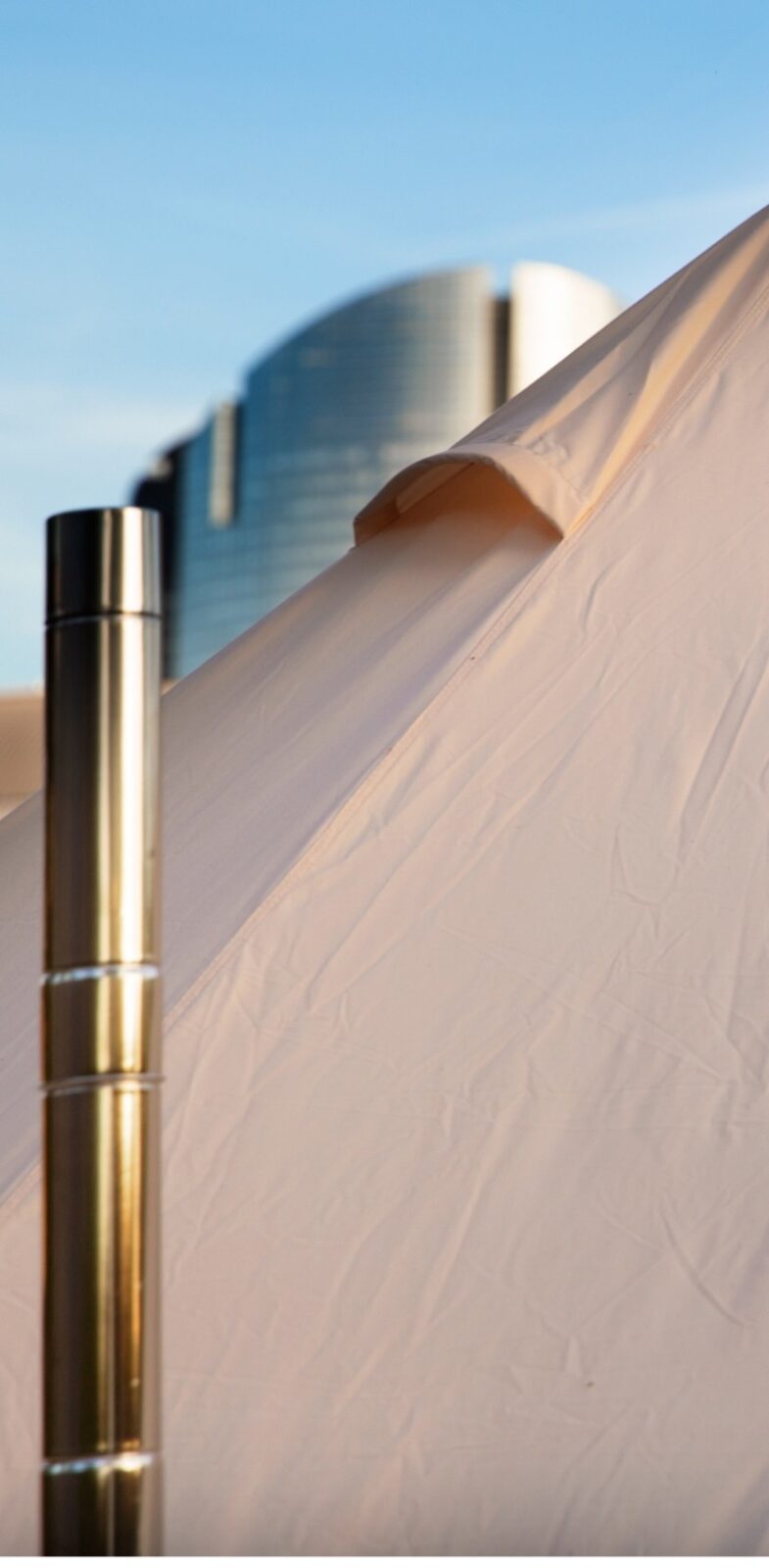
Spotlight on the bivouac at La Fabrique
Practical information
2. EXHIBITION
Ce qui nous rassemble
28 January to 24 February 2027
La Fabrique, Brussels
The exhibition Ce qui nous rassemble builds on the digital encampments by giving a new form to the voices collected in Brussels. The voices recorded in the tent, the painted portraits and the images of the tent in the city come together to create an experience that invites visitors to discover the residents’ stories in a different way.
The project forms part of a wider initiative led by the X/tnt company, namely to share stories and knowledge from one region to another. Following Brussels, the Citizen’s Atlas is set to be rolled out in Bourges, the European Capital of Culture 2028, and then in other cities. Combining artistic creation, active listening and digital technologies, Ce qui nous rassemble offers an alternative way of preserving memory: drawing on the people who live in a place, their words and the connections that emerge when they are brought together.
Practical information
Who is Ludovic Nobileau?
Tracking changes to the bivouacs

Ce qui nous rassemble is an initiative organised by the X/tnt theatre company, the Alliance Française de Bruxelles-Europe, the Institut français and Bourges 2028.
ROUND TABLE
Self-image in the digital age
A discussion on our digital doubles, online self-representations, avatars, digital twins and deepfakes… This event brings together perspectives from philosophy, cultural studies and curatorial practice to explore the ethical, political and artistic issues surrounding our digital doubles in the age of image manipulation.
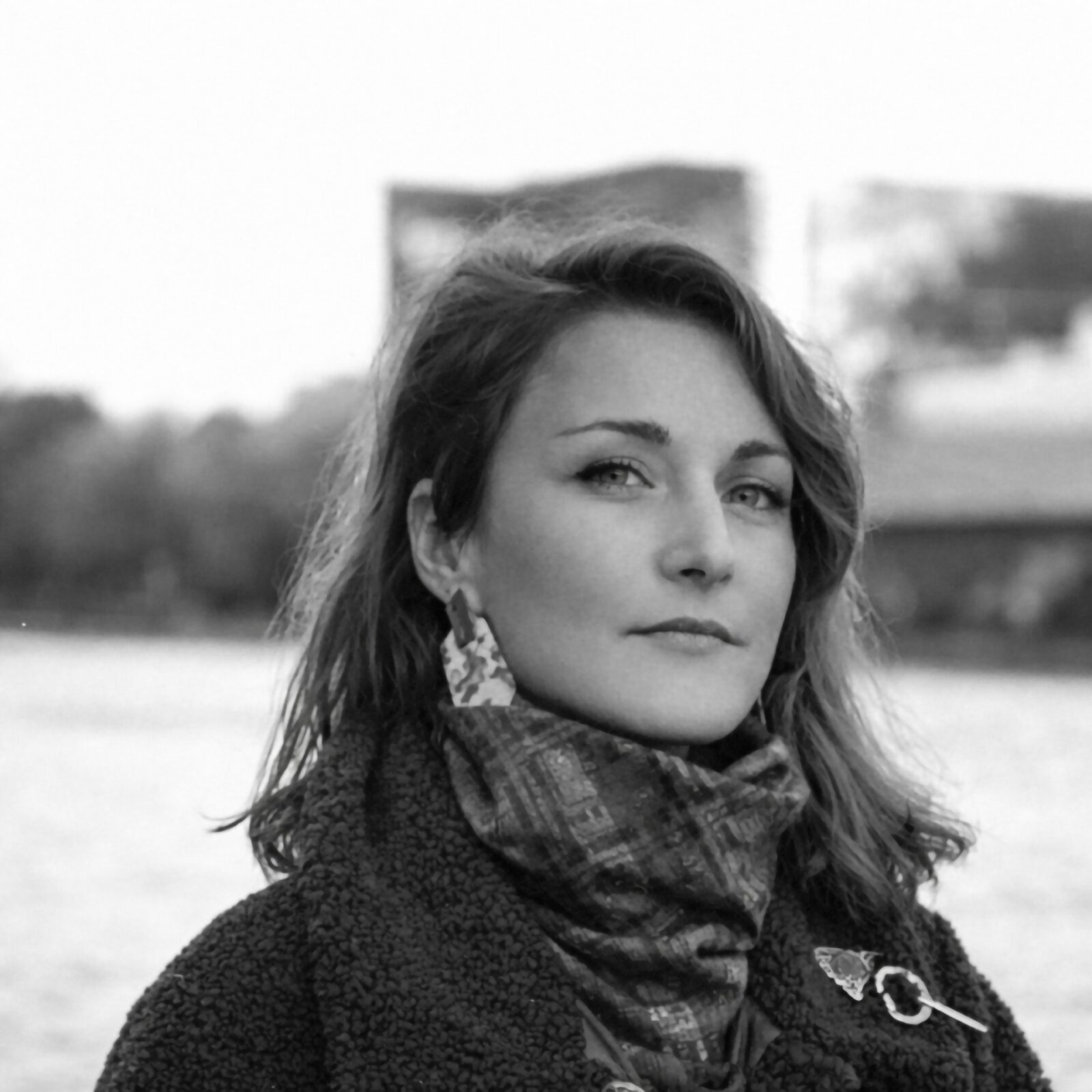
What can we learn from cultural history, which has already ushered in the era of the digital twin? To what extent do digital twins correspond to their offline physical counterparts, and what new contexts do they open up? What artistic aesthetics arise from this? How should we address the complex issues of disinformation and falsification in this context? As part of the Biennale de l’Image Possible (BIP), we invite you to a discussion with Marion Zilio, philosopher and art critic, and Randi Heinrichs, researcher in cultural and media studies. The discussion will be moderated by Anne-Françoise Lesuisse, curator of the Liège BIP, which this year is organised around the theme Mirror, Mirror.
Practical information
The speakers
Marion Zilio (FR)
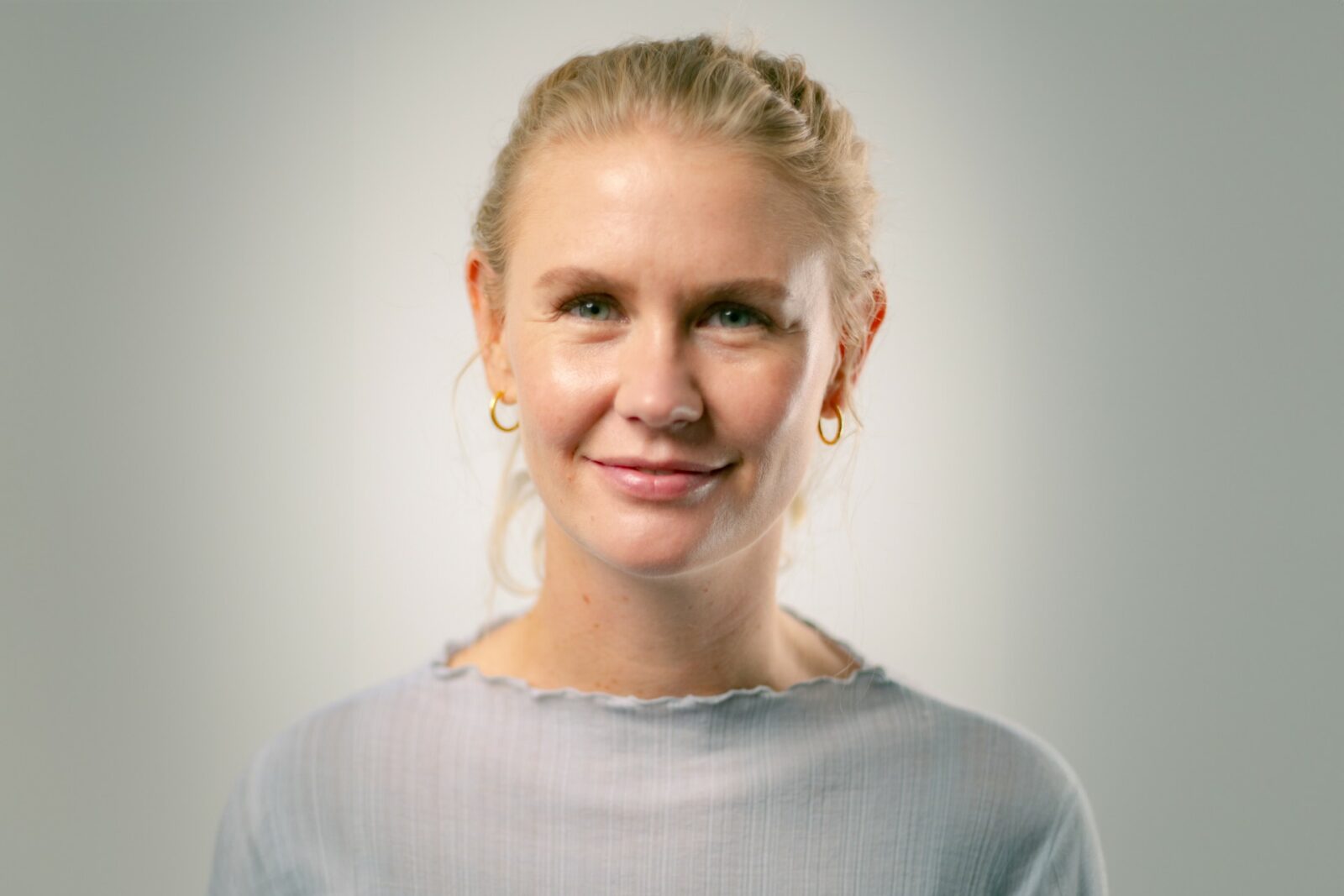
Randi Heinrichs (DE)
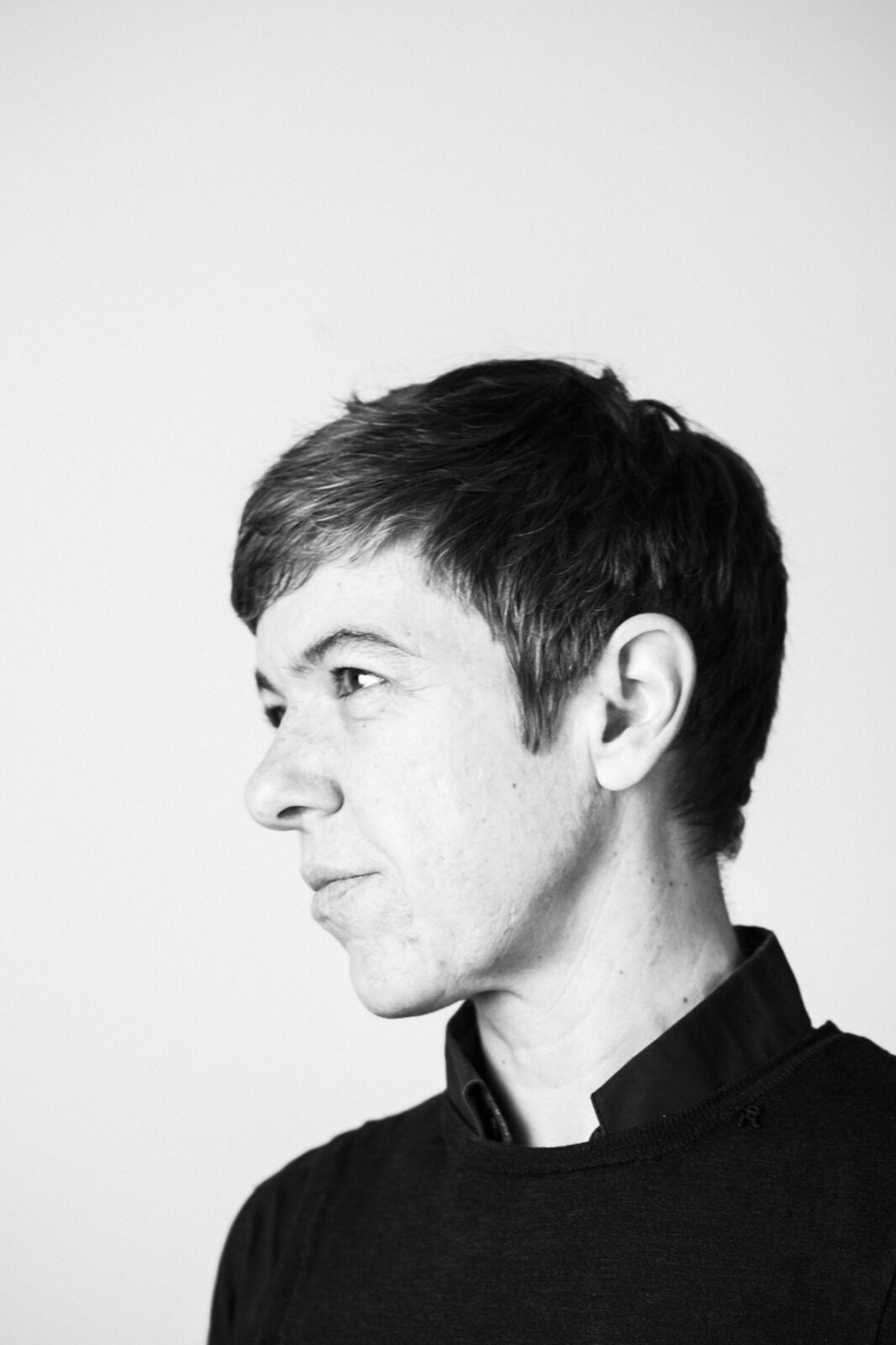
Anne-Françoise Lesuisse (BE)
EXHIBITION
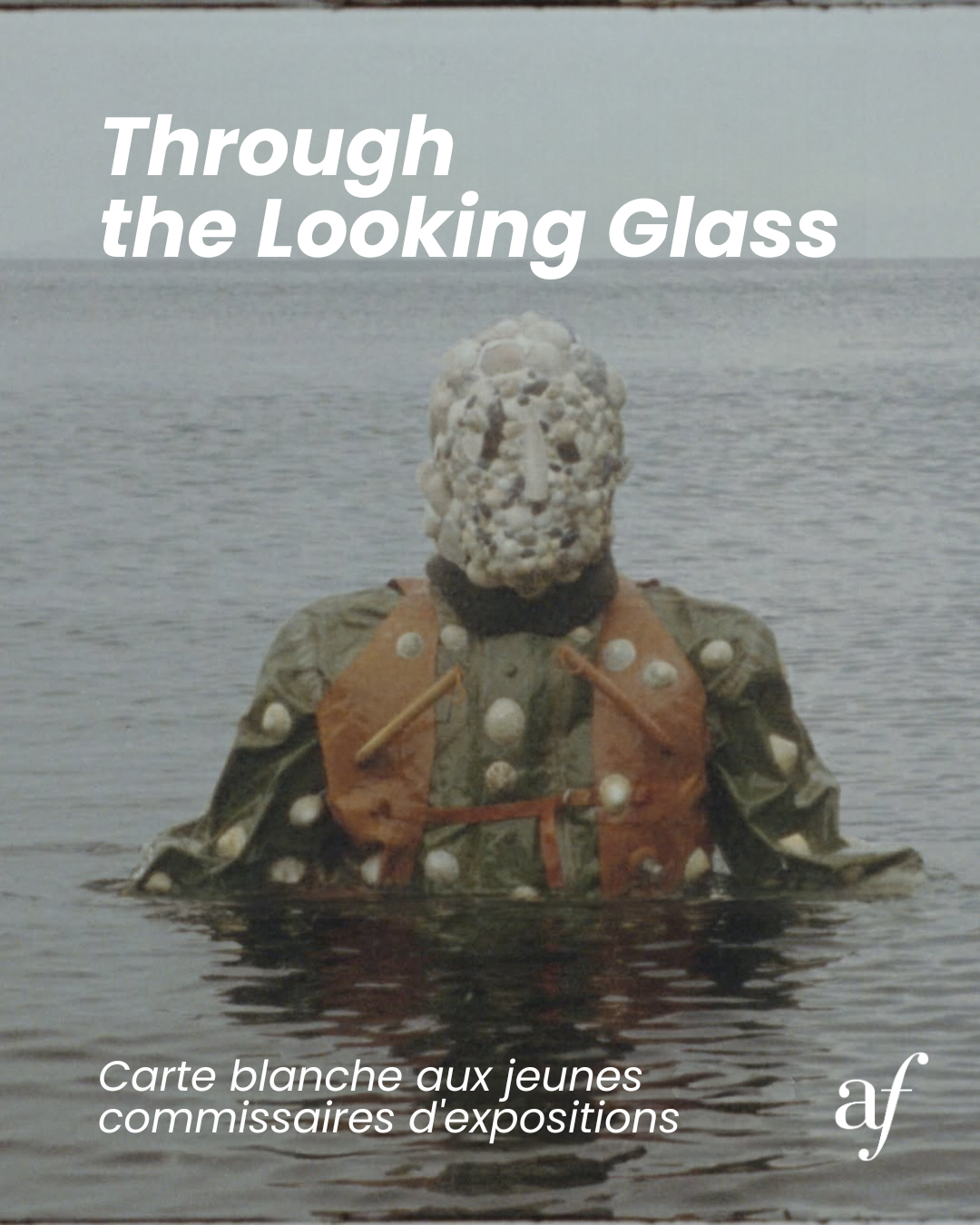
Through the Looking-Glass
What happens when we stop trusting images?
At a time when images can be manipulated, generated by artificial intelligence or taken out of context, how can we distinguish truth from falsehood? And what becomes of photographs when their apparent ability to bear witness to reality is no longer sufficient to establish their authenticity? For the 2026 Biennale de l’Image Possible, four young curators have been invited to explore these questions through artistic projects presented in four neighbouring spaces. Each, in their own way, examines the mechanisms by which images are created and their power over our understanding of the world. Through imaginary creatures, incomplete archives, visual saturation and alternative narratives, Through the Looking-Glass invites us to take a step back and reflect on the images that surround us and the stories they help to construct.
Informations pratiques
Four curatorial proposals
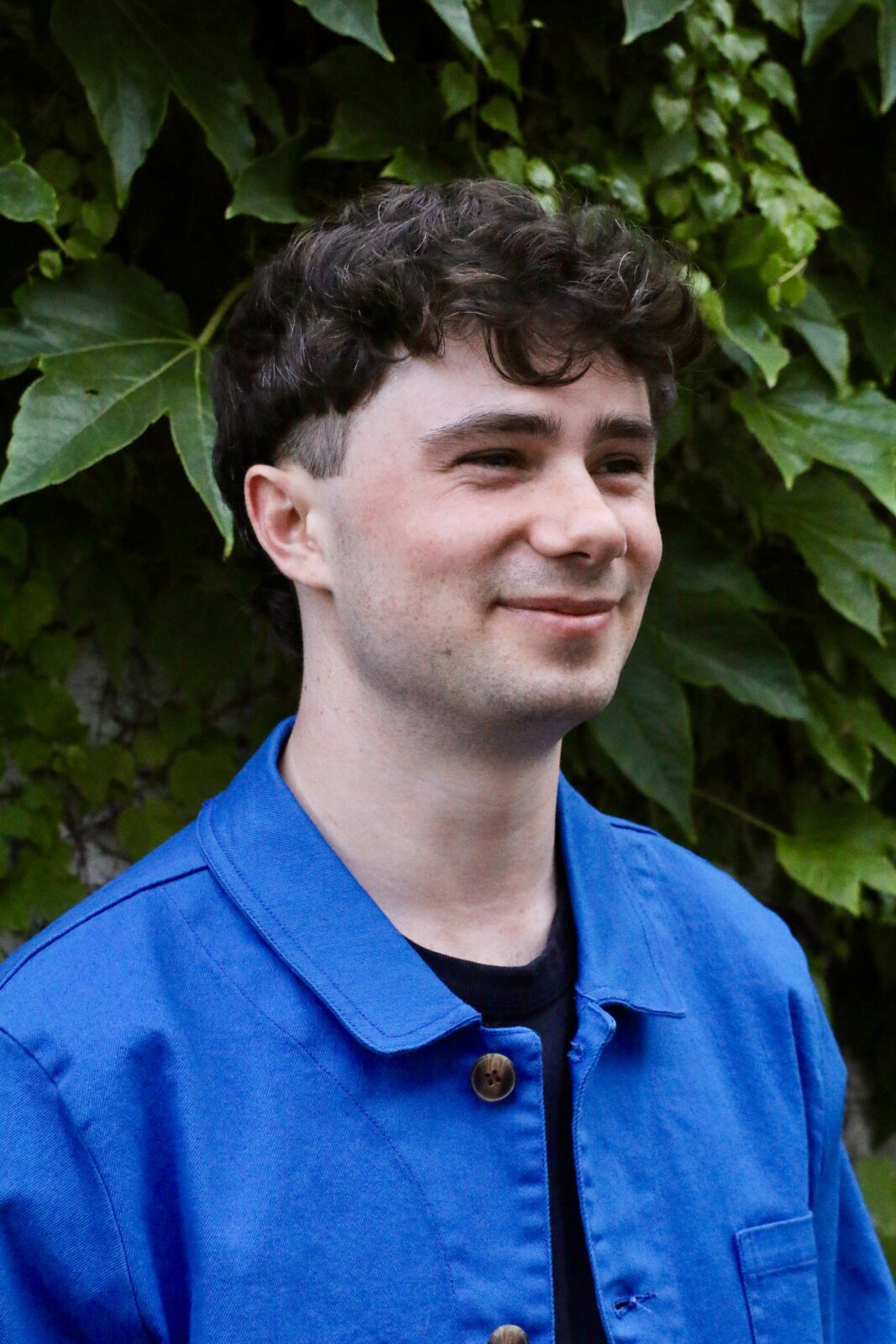
Silas Edwards
Wondrous Sightings
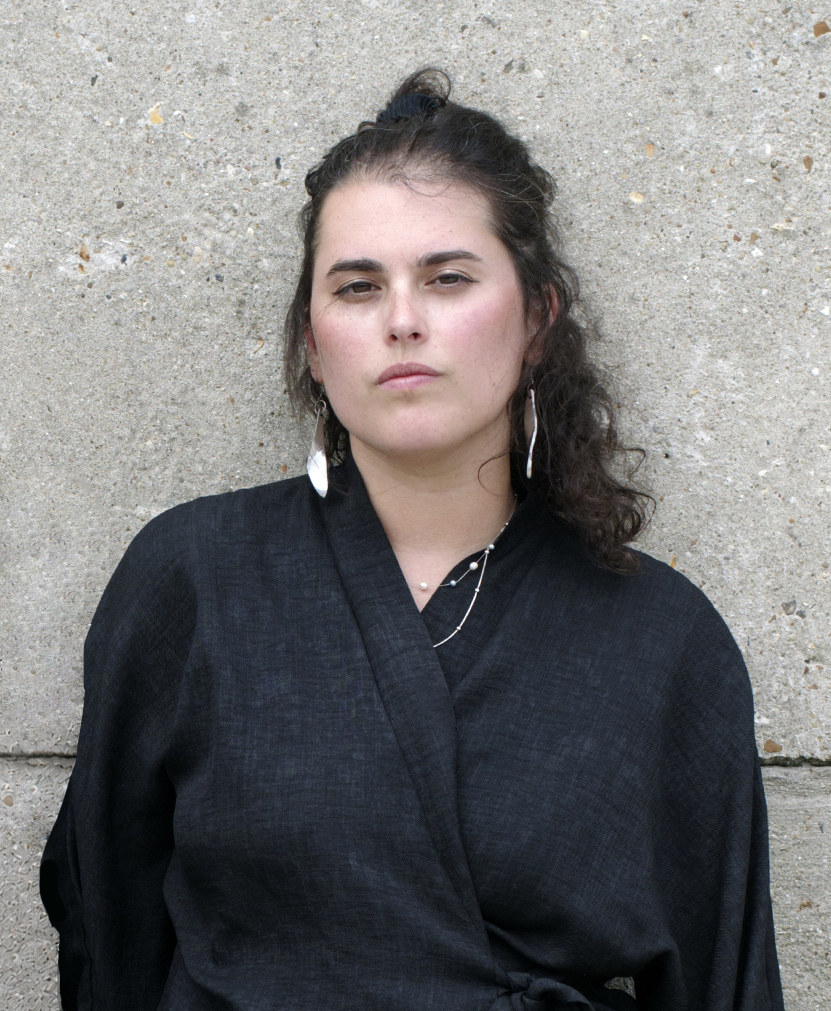
Fanny Testas
Élevage d’absences
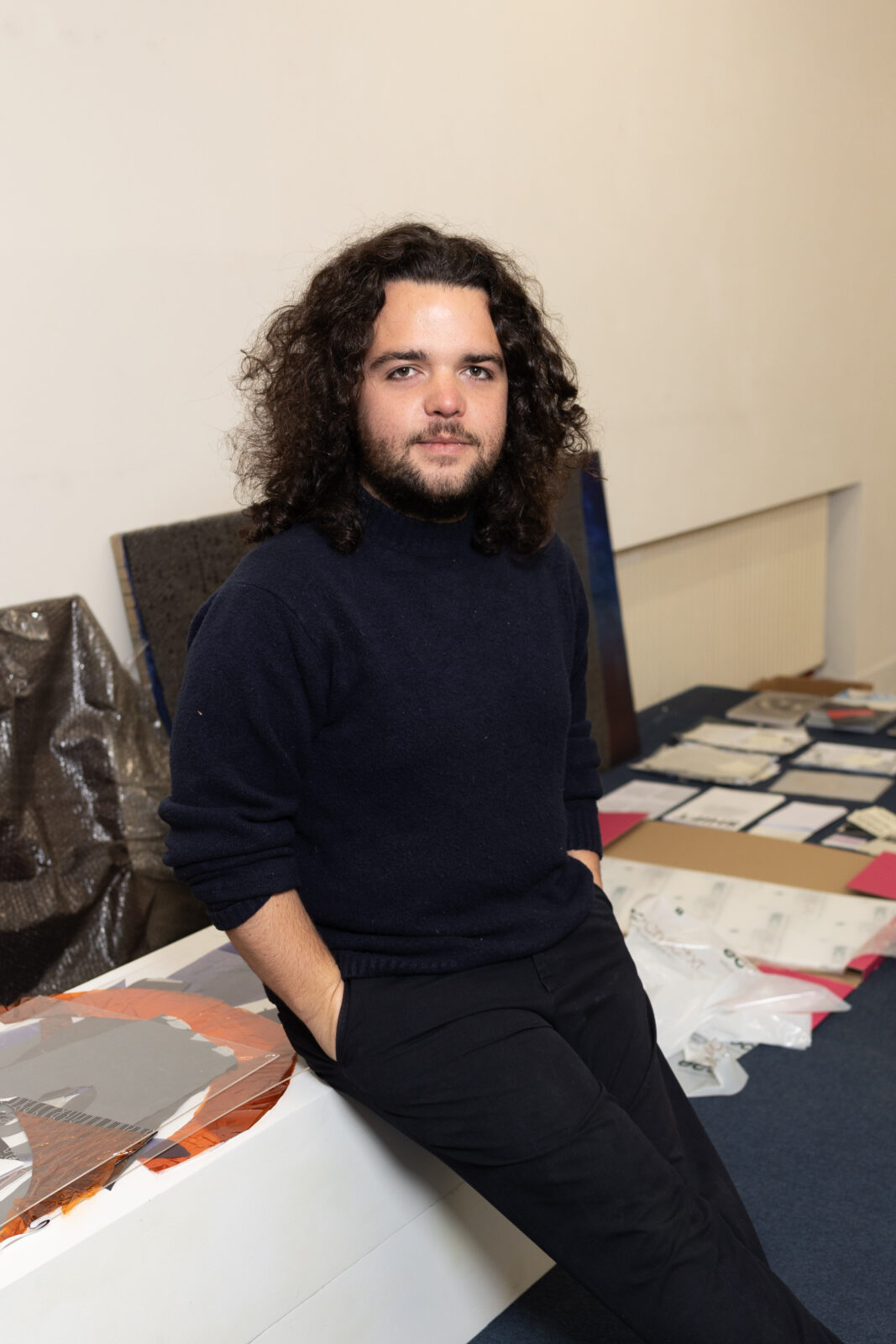
Thibaud Leplat
(a very deep) fatigue
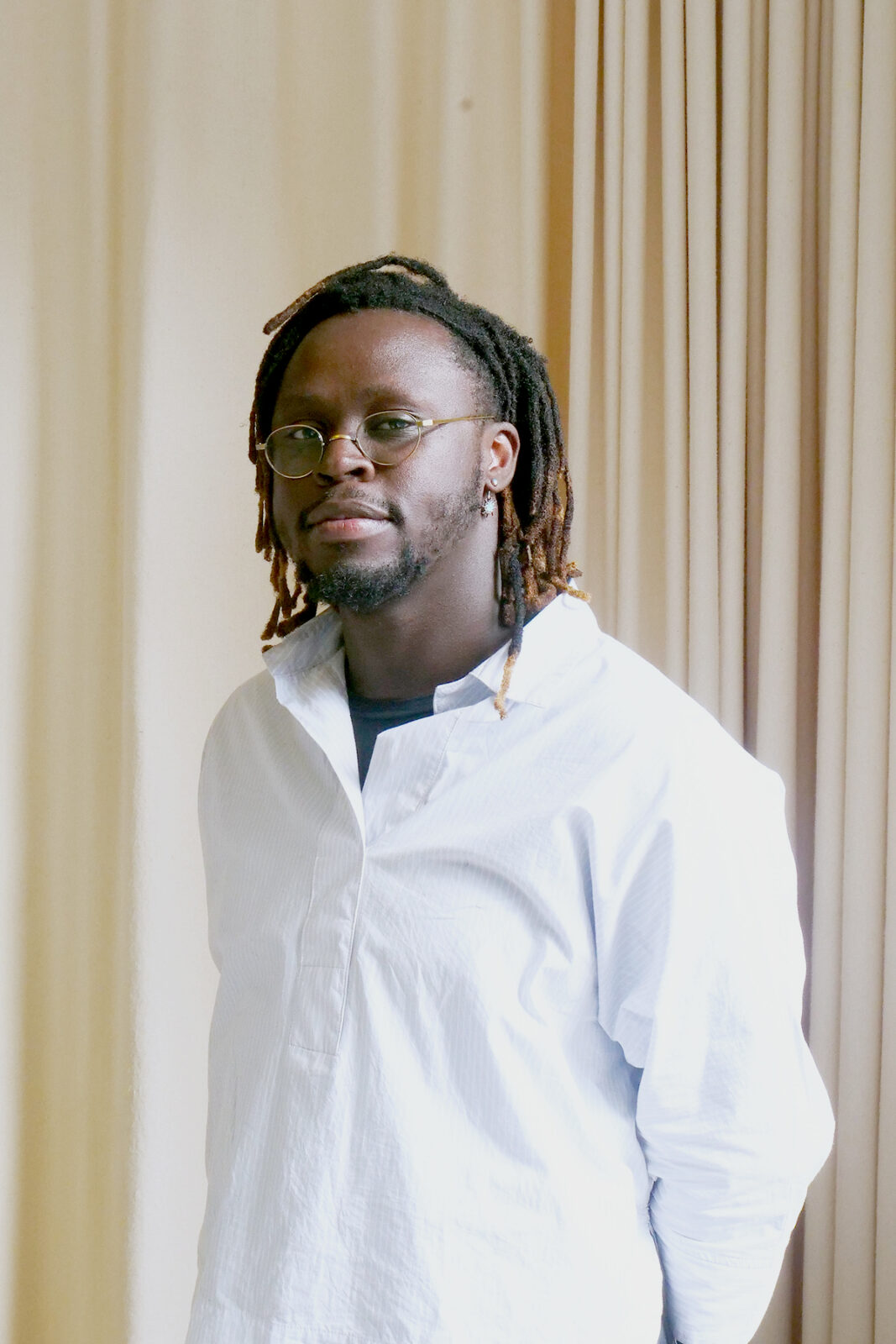
Temitayo Olalekan
eye the threshold
This event is organised with the support of the Franco-German Cultural Fund – comprising the German and French embassies, the Goethe-Institut Brussels, the Alliance Française de Bruxelles-Europe and the Institut français – in collaboration with the Biennale de l’Image Possible (BIP2026).